

A New Thread
Company
Year
Role
Credits
The House of Marley
2010-2015
Product & Brand Strategies, Design Direction, Industrial Design, CMF, Design for Manufacture
Senka Agic, Sindre Klepp, Jonathan Hicks, Frank Bleck, Phnam Bagley, Lifestyledesign Inc., Tony Ostrom, Vlad Grodzinskiy, Kyle Utterback, Andre Larouche
Legacy
-
How a vintage shirt inspired a product strategy.
While Creative Director at LSD, I led teams to create products for The House of Marley. We were approached by Bob Marley’s descendants with a vision to create a brand that honored his memory. We started with defining values that balanced Bob’s calm, soulful presence with his rebellious attitude toward systemic injustice and the status quo.
Social benefits and sustainability would be a part of the mission from day one.


What would Bob do?

An authentic approach
-
How would we create consumer products in the name of a man that cared more about giving and free love than making a profit? I kept my team focused with a strategy of responsibility and accountability.
Audio products were a logical cornerstone of the product roadmap. But the House of Marley would be a lifestyle brand, not a CE company. The products shouldn’t be slick, they should feel natural. Hemp yes, but not Cannabis (yet). They needed to be accessible but not feel mass produced. To keep costs down, they needed to be simple to make, but our customers would also want a level of personalization.
The spark of inspiration
-
Bob's casual and utilitarian style is iconic. He wore comfortable linens and chambrays which evolved toward more military style silhouettes as he became more political. The relaxed fits with loose, crumpled sleeves felt textural and natural, familiar and yet individual.
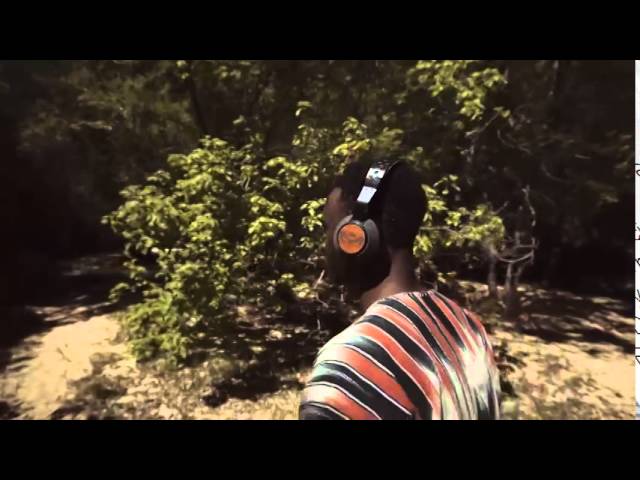
It was a simple observation, that led us to prioritize material qualities. It inspired me to use fabric to cover the fit mechanics of a headphone; a way to make them feel less technical with bunching that would be unique to each listener.
We developed a proprietary fabric blend of Hemp, recycled PET and Organic Cotton, and started wrapping the speaker enclosures too. Fabric was more than a bridge from fashion to consumer electronics, it offered a more sustainable option to achieve a unique and inviting finish. We called it Rewind.


Exploring fabric as catalyst
-
The experiments continued as we solidified the brand vibe, all the while referencing Bob’s personal style. Using fabrics allowed us to treat CMF with a more seasonal, fashion based approach. With more variations in colors and print patterns, the line felt personal and custom. The fabrics we developed were an excellent through-line for the brand to extend into other categories. Utilitarian constructions in natural materials evoked a repurposed military aesthetic. It was Guerrilla Lovefare.


All in on materiality
-
Materials matter
-
As the brand matured, we made our approach to materials a focal point. They weren’t just a statement about sustainability, they offered functional acoustic benefits and represented a crafted aesthetic unique in the CE marketplace at the time. Fabric wraps, wood accents and regrind polymers have since developed into design trends seen across many industries.
The next year, we added a watch line with recycled metals and sustainable leathers. Vintage military inspired cases with minimal dials kept them feeling appropriately laid back - Island Time was the working title.


Poetry in process
-
Bob Marley was as much poet as a musician. While the design process is very different, I thought it important we maintain a looseness in our approach. The creative process began with internal expressions that guided the raw design intent. Sketches, paired with construction notes, material swatches and quick 3D CAD allowed us to generate prototypes and production models that maintained a soulful, and exciting energy. Working with several JDMs on over 50 SKUs in one year, we had to turn “cowboy CAD” into producible parts extremely efficiently.
Each category demands a different process. With softgoods, mood boards outline silhouette and textural vibe and sketches define attitude. Construction explorations quickly lead to early tech pack specifications to begin prototyping. Headphones require a deep understanding of fit ergonomics and mechanics that need to proven out in protoypes.


Developing details
-
More advanced products required a deeper level of DFM support. The Legend ANC headphone was created to meet demand for our take on a premium audio experience. To achieve a level of refinement and sophistication worthy of the technology and higher price point, we worked with engineering and production teams to perfect the build. The frame and yoke was cast and machined aluminum. Vegetable tanned leather was used to wrap the ear cups and the latex memory foam of the headband. The ear cup acoustic chamber was backed by a walnut inlay. This model required a micro USB connector for charging, so we angled it in from the side and protected it with a strain relief loop.


The House of Marley brand has continued to use its success as a positive force for change and social impact.


A lasting legacy
-
For the brand's first five years, I personally designed and directed the majority of Marley products. This included design language guides, product line roadmapping, brand strategy and packaging. Despite being one of the earliest adopters of sustainability in consumer electronics, my team’s efforts helped grow the company revenue to $60M by just its second year. Since then, The House of Marley brand has continued to use its success as a positive force for change and social impact.